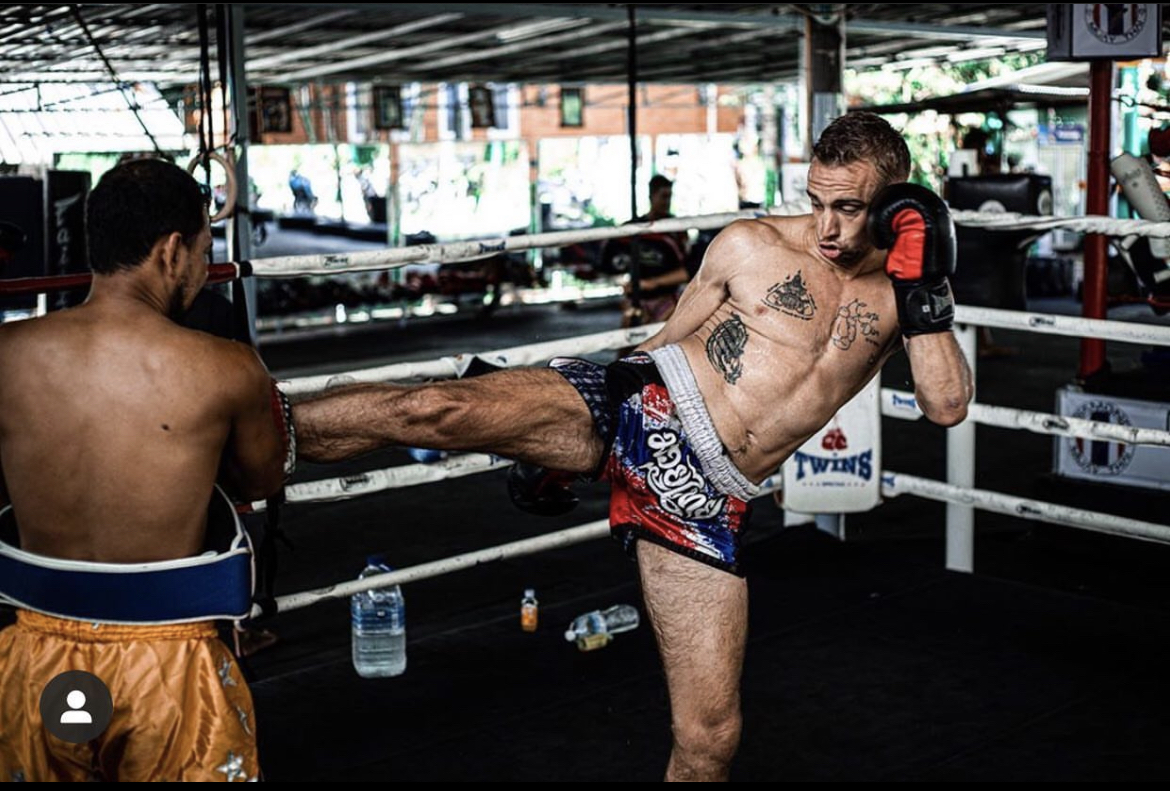
Let’s take a look at why you should move to Thailand as a fighter. There are obviously multiple reasons but also multiple obstacles in order to stay here.
Thailand in general gets a bad rep and is considered a country that attracts degenerates. There is definitely some truth to that. But you can find degenerates everywhere. It’s not as bad as people online make it out to be.
And let’s be fair, combat sports never attracted the sharpest tools in the shed either. I can assure you that you’ll hear and see crazy things no matter where you go if you’re in the combat sports world.
That being said, let’s break it down.
Why you should consider moving to Thailand.
Your development as an athlete.
As a combat sports athlete, your skill development is what you should focus on the most. In the West this is quite difficult. There aren’t a lot of coaches with the fight experience that the Thais have. Most have 20-50 fights. Most Thais have 200 fights on average.
This isn’t to look down on Western coaches—they just didn’t have the same resources. But there’s a price for that. It limits your growth.
Some gyms now have Thai trainers but still have an issue. Once you start training, you have to learn skills but also hold pads for others due to gyms not having enough padholders.
And you pay the price
This takes away valuable time from your training. It also takes away from your training partners, in my opinion, since it takes time to master padholding. A bad padholder can make you develop bad habits that could cost you fights.
Especially in the beginning. In the beginning pads should be more about correcting skills and learning everything rather than smashing the pads. The majority of your training partners can’t help you with that.
This is why training here is superior. The whole training is catered towards fighters and their development.
The only fighters that hold pads here are already very seasoned, and they do it occasionally.
The fight opportunities are endless.
Fight cancellations happen everywhere, but in the West this could mean you don’t fight because no one will step in. There aren’t that many active fighters to begin with. In the West, having 4 fights a year is considered active.
In Thailand, I’ve seen a guy not pass his medical in the morning at the weigh-ins, and in the evening, they had a replacement already. In the local scene, once a guy didn’t turn up. Within 30 minutes 3 guys arrived at the stadium to step in.
Aside from that, fighting in the local scene is easy. You get short-notice opportunities all the time since they fight daily. It’s easy to get a lot of experience in a short amount of time. Something you’ll be grateful for down the line.
Obviously it isn’t all sunshine and coconuts. There are trade-offs.
The downsides of moving to Thailand.
Making money in Thailand…
Most fighters are broke to begin with. I’ve seen guys come here with big dreams, train for two months, and leave broke. And back home they work full-time to support their career, which obviously takes away time that could be dedicated to training and recovery. Moving to Thailand reduces the cost of living by quite a lot, but you obviously can’t rely forever on savings to fund your dream.
The reality is that most people will need a side hustle to fund their stay. And having a side hustle isn’t a bad thing in my opinion. Having multiple skills is beneficial in the long run. In the end, you need to be able to do something once you retire from fighting.
In a world where you can make money online, it’s obviously a good idea to try to acquire a skill set that allows you to work online.
Because working in Thailand is a pain in the ass. The number of jobs you can do as a foreigner is limited. It’s mostly teaching, IT, and personal training. Most try the educational industry, but that market is very saturated, and it’s very unforgiving.
A lot of teachers here get fucked over by the schools or agencies. This isn’t a message of doom. But proceed with caution when signing with schools or agencies when working here. A big indicator of whether or not they’ll fuck you over is how quickly the teachers change.
If no one is willing to stay long-term, it’s better to pack your bags and bail.
But what about making money from fighting, you ask?
Gym fees are expensive here.
Your biggest expense in Thailand will be the gym fee. Most gym fees are at least 12000 baht per month for training twice a day only. Some gyms will be more than double.
In comparison to everything else, that is quite expensive. That is something you have to factor in when coming here. Some fighters try to cut deals with the gym to get a reduction in the fee or even get rid of it.
You could opt for this, but make sure you’re at the gym for a while before trying this. The number of people that think they deserve a sponsorship after 2 sessions here is baffling.
Fighting for money.
There is not a lot of money in Muay Thai or combat sports in general. Especially when coming up. The average purse in the local scene is 2500-3000 baht. In Phuket the pay might be a bit higher. The smaller shows and undercards of bigger shows in Bangkok pay 10000 baht or more.
Obviously not enough to live from. You could go fight on the Friday cards of One Championship. It is probably the best-paying promotion in Thailand at the moment. But you have to consider the ruleset, and small gloves make it likely you won’t be that active. So not getting the KO bonus could screw you financially.
Aside from that, it’s obvious they rely on favoritism to book fights. They only book certain people a lot. This could make you waste a lot of time waiting for a fight and not making money.
It’s better to not put all your eggs in one basket. And focus more on fighting once you earn enough money so you can live off it for at least more than a month. And even then, I’d still have something on the side to generate revenue. Just my 2 cents.
Visa expenses are something to consider.
The visa system in Thailand is a mess, but it’s getting better. Before it was hard to secure long-term visas here. Most people get yearly visas and pay 35000-40000 baht a year for those. Most fighters are on student visas. So they have to go to school at least 2 days a week. In the end, learning Thai isn’t a bad idea and would benefit you.
Another option is getting a DTV visa. It’s a 5-year visa that requires you to leave the country every 6 months. This is the best option in my opinion if you’re a fighter. It costs about 10000 baht and can be acquired in your home country.
It saves you a lot of hassle with immigration here, which is a big plus.
Thailand has its ups and downs like everywhere else. But for your career, this move is a must.
That’s all for today.
Until next time
Alex
Nutrition coaching
Over the years, I’ve helped fighters heal their metabolism, lose weight effectively, and fuel their bodies for peak performance. If you’re struggling with weight loss, underperforming due to poor nutrition, or dealing with a damaged metabolism, DM me “nutrition” on Instagram to get started.
In my 3-month coaching program, I’ll guide you through:
- Healing your metabolism.
- Losing weight sustainably without burnout.
- Learning how to fuel for performance when maintaining and losing weight.
- Cutting weight safely for a fight (only for fighters).
I only take on 3 clients every 3 months. If you want one of those spots, DM me ‘nutrition’ on Instagram or Twitter.
Don’t forget to follow me on Instagram.
Until next time.
Alex
Further reading
- Eat, Sleep, Overtrain, Repeat → I cover the truth about underrecovery (most people call it overtraining).
- The Issue with Eating Out in Thailand → Aimed at Muay Thai fighters, but useful for anyone training here.
- The Nutrition Mistakes Killing Your Performance (Part 1)
- The Nutrition Mistakes Killing Your Performance (Part 2)
- The Nutrition Mistakes Killing Your Performance (Part 3)
- Zero To Alpha Wisdom #31: no risk, no story
